
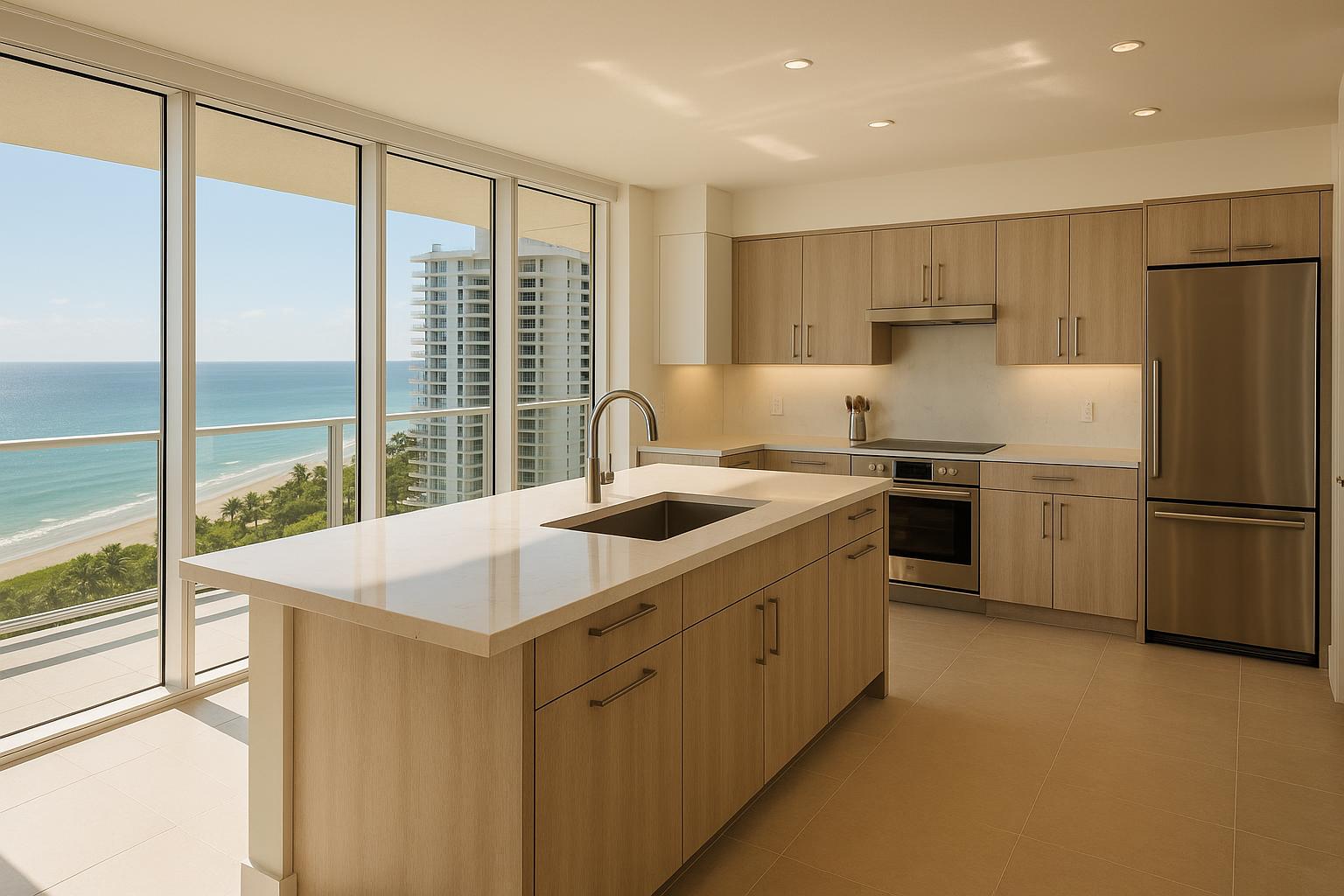
Condo Remodeling Isn't the Same as Remodeling a House
If you own a condo in North Miami Beach or one of the surrounding coastal communities, you already know that condo living comes with its own set of rules. What you might not realize is how much those rules affect your ability to remodel your kitchen, bathroom, or any other part of your unit.
Unlike a single-family home where you largely answer to yourself and the local building department, a condo remodel involves a third layer of oversight: your homeowners association (HOA) or condo association. Skipping this step or underestimating its importance is one of the most common — and most costly — mistakes condo owners make.
Whether you're updating a dated kitchen in a high-rise in Sunny Isles Beach or renovating a bathroom in a mid-rise in Aventura, here's what you need to know before the first tile is removed.
Start with Your Condo Association's Rules
Every condo building has a set of governing documents — typically the Declaration of Condominium, bylaws, and a set of rules and regulations. Buried in those documents are specific guidelines about renovations, and they vary widely from one building to the next.
Common restrictions include:
- Approved working hours. Most buildings limit construction to weekday business hours, often between 9 a.m. and 5 p.m. Some restrict work on weekends entirely.
- Noise restrictions. Demolition and heavy drilling may only be allowed during certain windows.
- Elevator use. You may need to reserve a service elevator for material deliveries and debris removal.
- Contractor insurance requirements. Many associations require your contractor to carry specific liability coverage and name the condo association as an additional insured.
- Deposit or renovation bond. Some buildings require a refundable deposit to cover potential damage to common areas during the project.
- Approval timelines. Your association's architectural review board may need 30 to 60 days to approve your renovation plans before work can begin.
The best move is to request a copy of the building's renovation policy before you even start planning. This way, you and your contractor can design a project that fits within the rules from the start, rather than scrambling to adjust later.
Permits Still Apply — Even Inside Your Unit
A common misconception among condo owners is that interior work doesn't require permits. That's not true. In Miami-Dade County, any work that involves electrical, plumbing, or structural changes requires a building permit, regardless of whether you own a condo or a house.
This includes things like:
- Moving or adding plumbing fixtures in a bathroom remodel
- Relocating electrical outlets or adding new circuits for a kitchen renovation
- Removing or modifying walls, even non-load-bearing ones in some cases
Working without permits can create serious problems down the line, especially when you try to sell your unit. A buyer's inspector or the association itself may flag unpermitted work, and you could be required to tear out and redo the renovation — at your expense.
A reputable remodeling contractor in North Miami Beach will handle the permitting process for you and make sure all inspections are scheduled and passed before the project wraps up.
Understand What You Actually Own
This is a detail that surprises many condo owners. In most condominiums, you own the interior of your unit — essentially from the drywall in. The exterior walls, windows, plumbing stacks, and structural elements typically belong to the association.
That means if your remodel involves anything that touches a shared system — like rerouting a drain line that connects to the building's main plumbing stack — you may need additional approvals and coordination with the building's management.
Flooring is another area where this comes up frequently. Many South Florida condo buildings have strict requirements about flooring materials and underlayment to control noise transmission between units. If you're planning to replace carpet with tile or luxury vinyl plank, check your building's sound rating requirements first. Some associations require an acoustic underlayment or a minimum Sound Transmission Class (STC) rating.
Plan for Logistics That Don't Exist with Houses
Remodeling a condo involves logistical challenges that simply don't come up with a single-family home. Materials can't be unloaded in a driveway and carried through a front door. Instead, deliveries need to be coordinated with building management, moved through lobbies and hallways, and transported via elevators.
Debris removal works the same way in reverse. Your contractor needs a plan for getting demolition materials out of the building without damaging common areas or disrupting other residents.
Parking for work crews can also be an issue, especially in buildings in Hallandale Beach and Aventura where visitor parking is limited. Your contractor should be experienced enough to plan around these constraints without causing delays.
Choose a Contractor Who Knows Condo Work
Not every remodeling company is comfortable working in a condo environment. The added layers of coordination — association approvals, elevator scheduling, insurance documentation, restricted hours — require a contractor who has been through the process before and knows how to keep things moving.
When interviewing contractors, ask these questions:
- Have you completed condo renovations in this area before?
- Are you familiar with the approval process for condo associations in Miami-Dade County?
- Can you provide the insurance certificates and documentation my building requires?
- How do you handle material deliveries and debris removal in a high-rise or mid-rise setting?
- Will you manage the permitting and inspection process?
A contractor who answers these questions confidently — and can back it up with references — is going to save you time, stress, and potentially money.
Set Realistic Timelines
Because of the added approval steps and logistical constraints, condo remodels in North Miami Beach often take longer to get started than comparable projects in single-family homes. The construction itself may also move at a slightly different pace due to working hour restrictions.
A realistic timeline might look like this:
- Weeks 1–2: Design, material selection, and finalizing the scope of work
- Weeks 3–6: Association approval process (varies by building)
- Weeks 4–7: Permitting through Miami-Dade County
- Weeks 7–12: Construction, depending on the scope of the project
These phases can overlap, and an experienced contractor will run them in parallel wherever possible. But it's important to go in with eyes open. Rushing the approval process or skipping steps almost always leads to bigger delays later.
The Payoff Is Worth the Process
None of this should discourage you from remodeling your condo. A well-executed kitchen or bathroom renovation can dramatically improve your daily life and add meaningful value to your unit. Condos in North Miami Beach, Miami Gardens, and the surrounding communities are highly desirable, and updated interiors make them even more so.
The key is going in prepared. Know your building's rules, hire a contractor who understands the condo remodeling process, and give yourself enough lead time to handle approvals without stress.
At Northwood Building Contractors, we've guided condo owners through this process from start to finish — handling association paperwork, managing logistics, pulling permits, and delivering beautiful results on schedule. If you're thinking about remodeling your condo, we'd love to walk you through what to expect and help you plan a project that works within your building's requirements.